

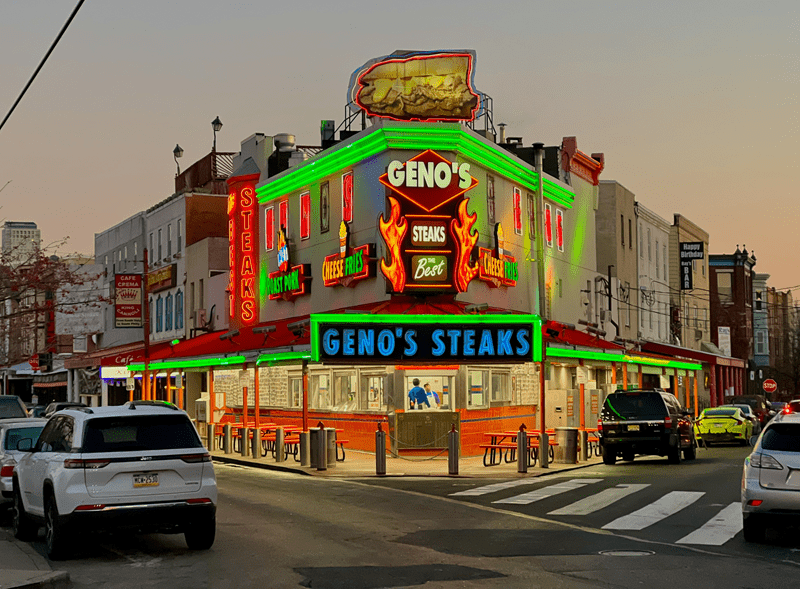
Philadelphia has a very specific food identity. It is shaped by immigration, neighborhood culture, and a strong preference for simple food done right. When people ask what food is Philadelphia known for, the answer goes far beyond cheesesteaks. Philadelphia food is about comfort, tradition, and meals that locals eat on repeat, not just tourist stops.
This guide covers the most famous Philadelphia food, why it matters, and where it fits into daily life in the city. It also looks at how global influences, local markets, and food festivals Philadelphia hosts continue to shape modern eating habits.
Before diving into individual dishes, it helps to understand the pattern behind food from Philadelphia.
This is not a fine dining city at heart. Philly food is practical, filling, and meant to be eaten casually.
Explore More: Best Desserts in Philadelphia and Where to Find Them
Some foods in Philadelphia go beyond popularity. They represent how the city eats on a daily basis. These are not special occasion meals. They are familiar, reliable, and deeply tied to local habits. The dishes below define Philadelphia food and explain why the city’s food culture stands out.
The cheesesteak is the most recognizable Philadelphia food. Thin sliced beef, melted cheese, and a long roll form the base. Onions are optional but heavily debated.
What makes it work is balance. The meat stays juicy, the roll holds everything together, and the cheese melts into every bite. Locals care about texture more than toppings.
This is often the first answer to what food is Philadelphia known for, and for good reason.
The hoagie is not just a sandwich. It is a staple meal.
An Italian hoagie usually includes:
It shows up at family gatherings, work lunches, and road trips. Among all famous Philadelphia food, this is the most everyday option.
Many locals will tell you this is better than a cheesesteak.
Roast pork sandwiches use slow cooked pork, sharp provolone, and broccoli rabe or roasted peppers. The flavors are salty, bitter, and rich.
This dish reflects South Philly’s Italian roots and is a core example of traditional food from Philadelphia.
Philly soft pretzels are sold everywhere. Street carts, corner stores, bakeries.
They are:
They are not a novelty. They are a routine snack, which is why they hold such a strong place in Philadelphia food culture.
Water ice is essential in warm months. It is smoother than shaved ice and stronger in flavor.
Popular flavors include:
You will find it at dedicated shops and pop ups across the city. It is one of the most seasonal examples of famous Philadelphia food.
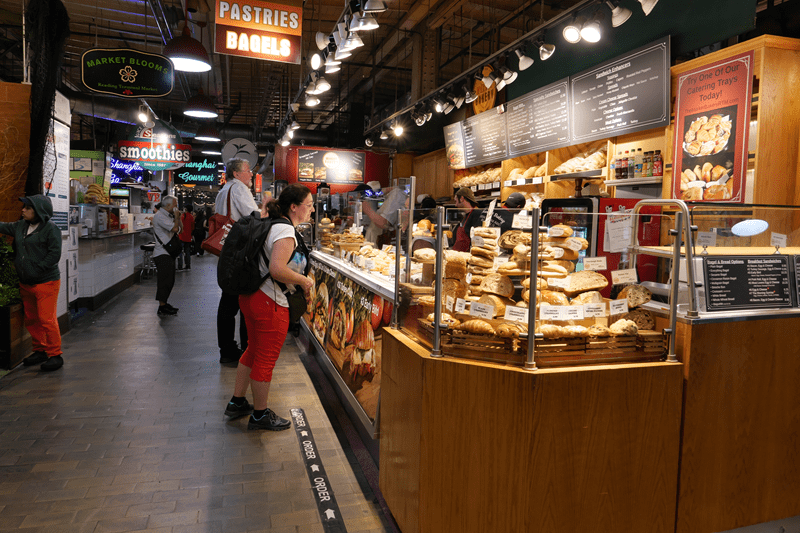
Pork roll is a breakfast standard. Thick slices are grilled until the edges curl, then served on a roll with egg and cheese.
It is salty, savory, and filling. Many locals eat it weekly. When talking about what food is Philadelphia known for, breakfast often gets overlooked, but pork roll should not.
Scrapple has Pennsylvania Dutch roots and is common in diners.
It is made from pork, spices, and cornmeal, then sliced and fried until crisp. The inside stays soft.
Scrapple shows how older traditions still influence modern Philadelphia food.
Tomato pie is not pizza.
It has:
It is usually cut into squares and shared. This dish is a clear example of regional food from Philadelphia that outsiders often misunderstand.
In Philly, many Italian American families call tomato sauce gravy.
Pasta with red sauce, meatballs, or sausage is common at sit down restaurants and family owned spots. It reflects how immigrant food traditions became everyday Philadelphia food.
Pound cake shows up at holidays, bakeries, and family gatherings.
It is simple, dense, and not overly sweet. Vanilla and lemon are the most common flavors.
Desserts like this explain why famous Philadelphia food is often understated but reliable.
Tastykakes are packaged snack cakes that locals grow up eating.
Popular varieties include:
They are part of daily life and represent commercial food from Philadelphia that still feels local.
Peanut chews combine molasses, peanuts, and chocolate.
They are dense, chewy, and filling. Often sold at sports events, they are one of the longest standing candies tied to Philadelphia food history.
More to Discover: Find Out Why Locals Love It the Best Pizza in Philadelphia
Philadelphia is not limited to traditional dishes. Immigration has expanded what locals eat daily.
Areas like South Philly, West Philly, and Chinatown offer:
Stores focused on international foods and spices Philadelphia residents rely on help shape home cooking across the city.
Large grocery locations like Whole Foods South Street Philadelphia also reflect how modern shopping blends with traditional eating habits.
Food events play a big role in how people experience the city.
Some common formats include:
These food festivals Philadelphia hosts allow people to try multiple styles of Philadelphia food in one place, often from small local vendors.
Read More: Discover the Ultimate Guide to Top Philadelphia Food Markets
Philadelphia food is not built around trends. It is built around repetition.
People eat the same meals from the same places for years. That consistency is what keeps dishes relevant.
If you are asking what food is Philadelphia known for, the real answer is food that lasts.
Philadelphia is best known for cheesesteaks, hoagies, soft pretzels, and roast pork sandwiches. These are everyday foods locals actually eat.
You can find international foods and spices Philadelphia residents rely on in neighborhoods like South Philly and West Philly, along with specialty grocery stores and markets.
Yes. Food festivals Philadelphia hosts are a good way to sample local dishes, global cuisine, and small vendors without committing to one restaurant.
This content was created by AI